







Short answer: Starting with tax year 2027, an Arizona veteran with a 100% VA service-connected disability rating, or VA total disability based on individual unemployability (TDIU), gets a full property tax exemption on their primary residence. Household income limits no longer apply to disabled veterans or their surviving spouses. The exemption is not automatic. You must apply with your county assessor, and in Maricopa County the 2027 application window runs from the first Monday in January (January 4, 2027) through February 28.
If you are a disabled veteran buying in Arizona, or you already own here, this is one of the biggest ownership costs you can legally reduce. The rules changed twice in 2026, and many pages still show the old limits. The 2027 changes are signed law. What still varies is the paperwork, which is handled county by county. Here is what the statute says now, what changed, and how to apply.
This is general information, not tax or legal advice. Figures, forms and deadlines vary by county and change. Confirm with your county assessor before you file.
Do disabled veterans pay property tax in Arizona?
It depends on your VA rating and the tax year. Arizona law, A.R.S. 42-11111, sets three main tiers for veterans:
| Veteran situation | Exemption (tax year 2027) |
|---|---|
| 100% service-connected rating, or TDIU | Primary residence fully exempt from property tax |
| Service-connected rating below 100% | Partial exemption: a statutory dollar amount multiplied by your VA rating percentage |
| Nonservice-connected disability (up to 100%) | Partial exemption, same formula |
Surviving spouses have their own rules. A surviving spouse of a veteran who was or would have been eligible for the full exemption can receive the full exemption on their own primary residence. A surviving spouse of a veteran eligible for a partial exemption can receive a partial one (HB 4168 summary, Arizona Legislature).
For partial exemptions, the dollar amount is indexed every year. For tax year 2026, the Maricopa County Assessor lists up to $4,873 of assessed limited property value, multiplied by your disability percentage. A 60% rating works out to $2,924, per the assessor’s own example. Expect the 2027 figure to change, so check your county.
What changed in 2026?
Three laws are worth knowing. Bill numbers are confusing online, so here is what the Arizona Legislature’s own documents say.
- HB 2792 (signed February 12, 2026). Clarified that the primary residence of a 100% service-connected veteran is fully exempt, even when owned jointly with a spouse, and let a surviving spouse continue the exemption. It applies beginning with tax year 2026 (Governor’s action update, Laws 2026, chapter 2).
- HB 4168 (signed June 13, 2026, chapter 140). The tax omnibus. For taxable years beginning January 1, 2027, it adds veterans with TDIU status to the full exemption, removes the income limits for disabled veterans and their surviving spouses, lets a surviving spouse transfer the exemption to a new primary residence within 60 days, and excludes TDIU-related VA disability payments from “income from all sources” (Senate summary).
- Earlier legislation. The Maricopa County Assessor says it administers the 100% exemption under HB 2672 and the final version of SB 1749, and that the exemption as written for tax year 2026 includes income limits.
The practical result: for tax year 2026, the Maricopa County Assessor’s page says income limits still apply, including for 100% rated veterans. For tax year 2027, the Legislature removed them for disabled veterans and their surviving spouses. Income limits remain for non-veteran widows, widowers and persons with total and permanent disabilities.
Who qualifies for the 2027 full exemption?
Under A.R.S. 42-11111 you must be:
- A resident of Arizona.
- A veteran who was discharged, separated or released under honorable conditions. The statute’s definition covers active and inactive service in the regular, reserve and National Guard components of the Army, Navy, Air Force, Marine Corps and Coast Guard, among others.
- Rated 100% service-connected by VA, or TDIU, for the full exemption.
- Using the home as your primary residence. The full exemption applies to your primary residence, not to every property you own. If you and your spouse own the home together, the statute treats it as owned by the veteran.
Your rating is the combined rating shown on your VA benefits letter. For tax year 2026 the Maricopa assessor says it uses the combined service-connected rating, not the dollar amount you are paid, so a 100% payment level due to individual unemployability is not the same as a 100% combined rating. For tax year 2027 the law adds TDIU status itself as a qualifying category.
How do you apply?

You file an affidavit of eligibility with the county assessor where the home is located (A.R.S. 42-11152). In Maricopa County, the process looks like this:
- Get your VA letter. Download your benefits letter from VA. It must show your disability rating or TDIU status. Use VA’s letters tool.
- Gather proof of Arizona residency and primary residence. Each county lists what it accepts.
- Complete the county’s Personal Exemption Application. Maricopa County’s form is FOR-136. Pick your category on the form (100% service-connected, or disability based on percentage).
- File during the window. Maricopa County accepts applications from the first Monday in January through February 28. From March 1 through September 1, you need an Exemption Deadline Waiver. For 2027, the first Monday is January 4.
- Keep the assessor updated. You must notify the assessor of anything that disqualifies you, such as selling the home, a change in residency, or the death of the applicant.
Other counties publish their own forms and dates, so check yours. Mohave County, for example, says the 2027 application period opens in January and that new applicants must apply and be approved because VA benefits do not trigger the exemption on their own (Mohave County Assessor, November 9, 2026).
Maricopa’s contact is the Valuation Relief Programs Division at 602-506-3406 or PE.SVP@maricopa.gov, per its Personal Exemptions page.
Buying or moving in 2027? Timing questions to ask
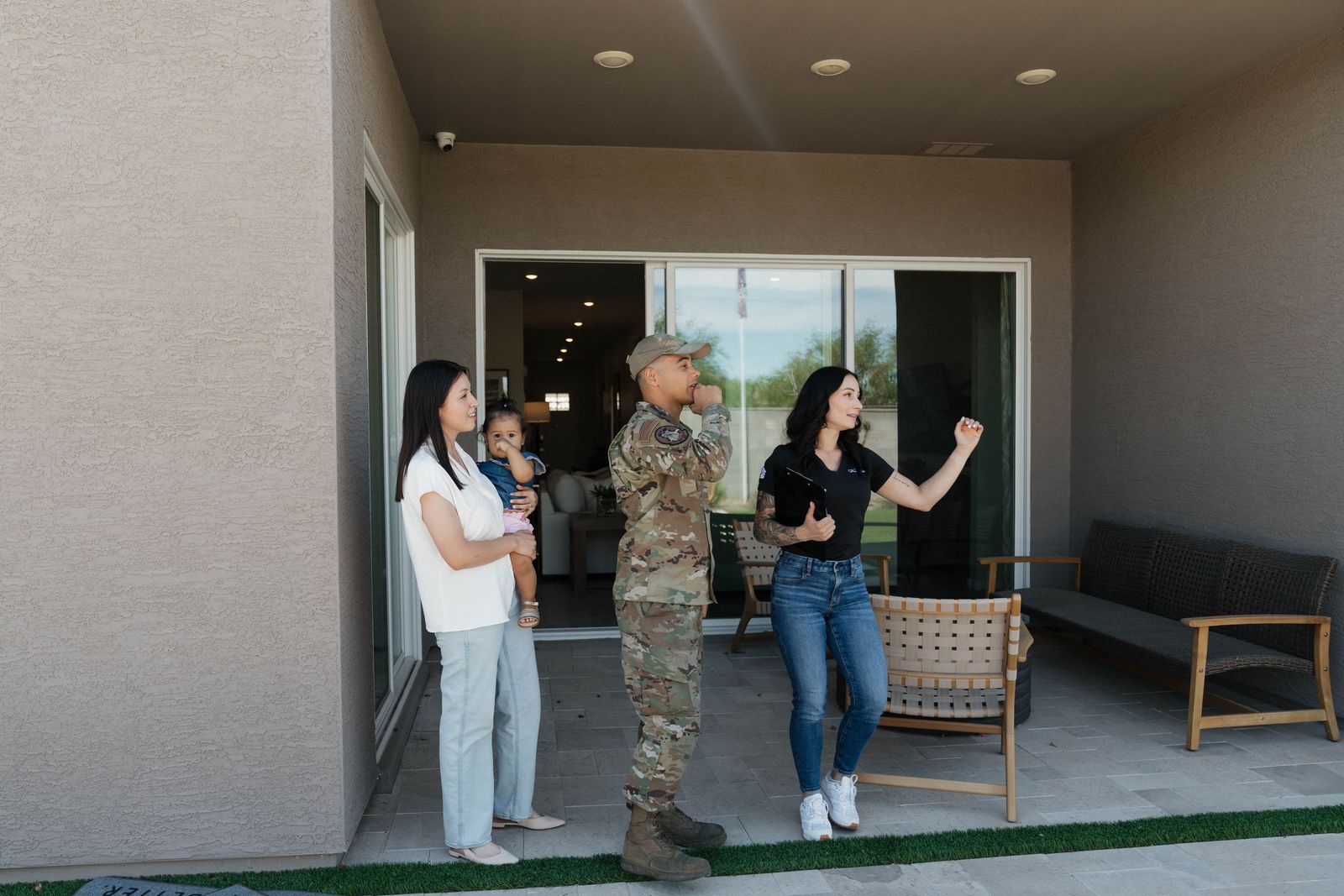
This is where a real estate plan and a tax plan meet. Do not wait until after closing to learn how the exemption will apply to your new address.
- If you already hold an exemption and are moving within Arizona, the statute requires you to file an exemption transfer form with the county assessor within 60 days after the new home becomes your primary residence.
- If you are buying in Arizona for the first time, ask the assessor of the county where the home sits how filing works if you close after the application window. Maricopa allows late filing with a waiver through September 1, but how a mid-year purchase is treated is not clearly published. Call the assessor before you write an offer.
- If you are moving from out of state, the statute applies to residents of Arizona and your county will want proof of residency and that the home is your primary residence.
For a VA purchase, two other VA rules can help you plan. Veterans receiving VA compensation for a service-connected disability are exempt from the VA funding fee (VA). Read how it works in our Arizona VA funding fee guide. And VA’s occupancy requirement means the home must be your primary residence, which lines up with the exemption’s primary-residence test (VA loan occupancy rules).
What the exemption does and does not do
It removes property tax on your primary residence. It does not follow you to rentals or second homes. It does not change HOA dues, homeowners insurance, or other costs of owning a home. Ask your assessor whether any non-ad valorem charges on your bill are treated differently.
Reapplication is also county-specific. Maricopa calls the program permanent but says the assessor can require annual or occasional reapplication, so keep your VA letter current and respond if you get a notice.
The law gives you a benefit, but it does not apply it for you. Veterans who qualify and never file do not receive it.
Related guides
If you are planning a VA purchase and want to see how ownership costs, including this exemption, fit your budget, schedule a strategy consult or call or text 623-242-2900.
Arizona disabled veteran property tax exemption FAQs
Do disabled veterans pay property tax in Arizona?
It depends on the rating and the tax year. Starting in tax year 2027, a veteran rated 100% service-connected by VA, or with TDIU status, has their primary residence fully exempt. Veterans with lower ratings get a partial exemption equal to a statutory dollar amount multiplied by their VA rating percentage.
Is the Arizona disabled veteran property tax exemption automatic?
No. You must file an affidavit with your county assessor and be approved. Receiving VA benefits does not apply the exemption for you.
When can I apply for the 2027 exemption in Maricopa County?
Maricopa County accepts personal exemption applications from the first Monday in January through February 28. For 2027, that starts January 4, 2027. From March 1 through September 1, an Exemption Deadline Waiver is required.
Is there an income limit for the Arizona veteran property tax exemption in 2027?
Not for disabled veterans or their surviving spouses. HB 4168 removed the household income limits for them beginning with tax year 2027. Income limits remain for non-veteran widows, widowers and persons with total and permanent disabilities. For tax year 2026, the Maricopa County Assessor says income limits still apply.
Does TDIU qualify for the full Arizona property tax exemption?
Starting in tax year 2027, yes. HB 4168 adds veterans whose VA status is total disability based on individual unemployability to the full exemption for their primary residence.
Can a surviving spouse keep the exemption?
A surviving spouse of a veteran who was or would have been eligible for the full exemption may qualify for the full exemption on their own primary residence if they have not remarried, and can transfer it to a new primary residence by filing within 60 days. A surviving spouse of a veteran eligible only for a partial exemption may qualify for a partial exemption.
Do National Guard and Reserve veterans qualify?
The statute defines “veteran” to include service in the reserve and National Guard components if the person was discharged, separated or released under honorable conditions. You also need a qualifying VA disability rating or status.
Does the exemption apply to a rental property or second home?
No. The full exemption applies to your primary residence only.
Sources checked: A.R.S. 42-11111 and 42-11152 (azleg.gov); HB 2792 (Laws 2026 ch. 2); HB 4168 (Laws 2026 ch. 140) summaries; Maricopa County Assessor Personal Exemptions page; Mohave County Assessor release Nov 9, 2026; VA funding fee page.
Julie Calza is top ranked in the industry and #1 in VA loan transactions in Arizona.¹ CalzaCo has closed over 1,800 transactions since 2016, more than 1,100 of them VA loans.
¹Based on ARMLS VA closing data. Julie Calza is a licensed broker in the State of Arizona. CalzaCo Team brokers through My Home Group. CalzaCo is not a tax advisor. Confirm exemption eligibility with your county assessor.
+ show Comments
- Hide Comments
add a comment